Compare eight AI fashion model generators for garment fidelity, reusable model identities, catalog workflow, batch production, API access, and video.
The ProductShot AI Team reviewed eight leading AI fashion model generators for garment fidelity, model consistency, pricing structure, and production workflow.
An AI fashion model generator creates on-model product imagery without a photoshoot: you upload a photo of your garment, and the tool generates a realistic model wearing it. The category has exploded since 2023, and the tools now range from fashion-specific production platforms to cheap marketplace ad apps. They each have their own characteristics.
This comparison covers the mainstream tools, and the criteria are stated before the ranking. Every tool's real strengths are included, as well as their limitations. Most platforms have free trials, so you can verify every claim with your own garments in an afternoon.
What Separates a Production Tool from a Demo
-
Garment fidelity. The generated image is a product representation. If the AI redraws your print, shifts a logo, or changes a neckline, the image is unusable for commerce no matter how good the model looks. This is the first test to run: give the tool a garment with a complex print and compare input and output detail by detail.
-
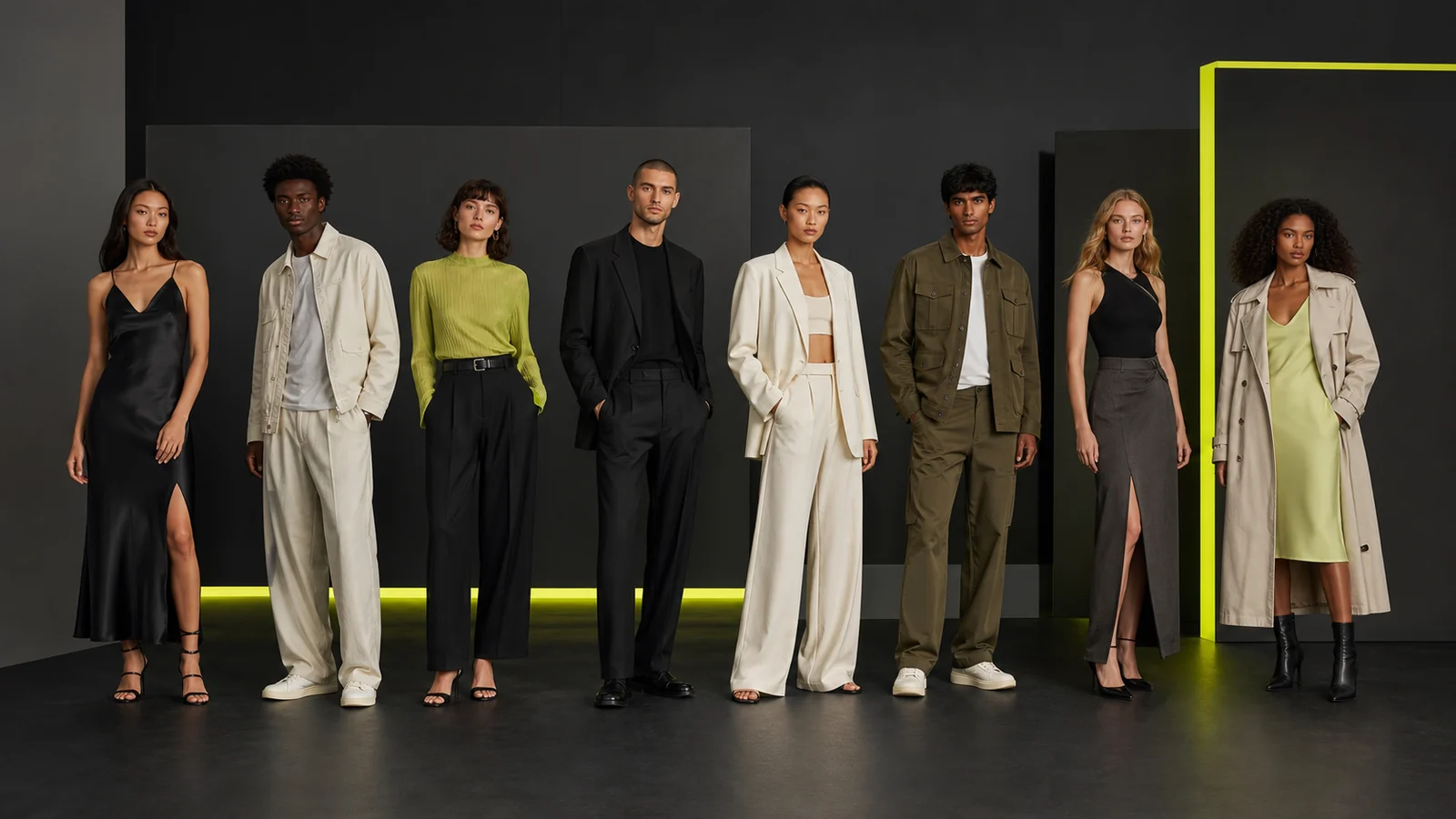
Model consistency. A catalog needs the same face across hundreds of products. Tools that generate a new random person per image produce a product page that looks like a stock photo collage.
-
Workflow scale. Batch processing, marketplace-spec output dimensions, and an API decide whether the tool fits a production pipeline or stays a toy for one-off images.
-
Honest pricing. Credit systems vary wildly in what one credit buys. The number that matters is the effective cost per usable image, after regenerations.
1. ProductShot AI
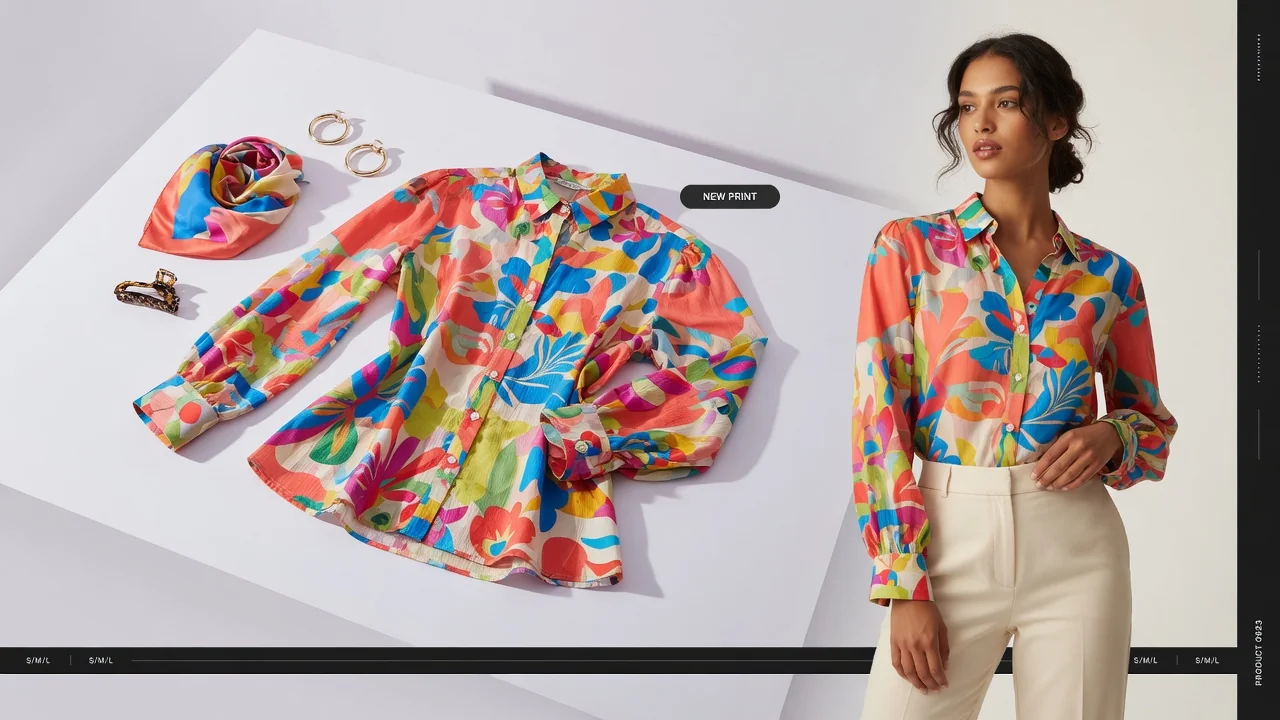
ProductShot AI is a fashion-specific production platform built around four workflows: flat-to-model (turn a flat-lay or packshot into on-model imagery), model swap (replace the model in existing photos), garment recolor (recolor one garment consistently across a set), and AI packshots in four styles.
When you evaluate this workflow, use a flat-lay with a difficult print, logo placement, or construction detail. Compare the input and every generated pose side by side before approving the tool for catalog production.
Strengths: Garment preservation is the core of the engine: prints, logos, and construction details survive generation, which is the difference between an illustration and a product image. Model identities are reusable and managed, so the same face appears across an entire catalog, and you can create custom identities for your brand. Batch processing, exact output dimensions per marketplace, and a full API cover catalog-scale production.
Limitations: It's built for fashion, not general product photography; if you sell electronics or cosmetics, a generalist tool fits better. AI video generation is available. The model library, while diverse, is curated rather than infinite: the trade-off for consistency.
Best for: Fashion brands and retailers producing on-model imagery per SKU, at catalog scale, where the garment must stay exact.
2. Botika
Botika is one of the most established names in the category, with notable clients.
Strengths: Polished step-by-step interface, batch processing, a Shopify integration, and AI fashion video generation, which most competitors lack.
Limitations: No custom model upload and no API. Model swap can alter the garment and its alignment in the output, and processing takes several minutes per image. Pricing is credit-based with monthly packages.
Best for: Shopify brands that want an established tool with video capabilities.
3. FASHN AI
FASHN AI comes from the virtual try-on world and offers model swap and flat-to-model alongside a developer API.
Strengths: Simple interface, fast flat-to-model processing, API with usage-based pricing, 4K output on the Pro plan.
Limitations: Model swap can change the clothes in the output, there's no batch processing in the app, and identity management is limited. It suits developers better than studio teams.
Best for: Teams integrating try-on or generation into their own product via API.
4. Modelia
Modelia is a newer Spanish platform that covers flat-lay to model, model swap, repose, and short video.
Strengths: Broad fashion-specific feature set, consistent character system, 4K and API access from the monthly plan, plus a one-time credit pack that's a cheap way to test with commercial rights.
Limitations: Founded in 2024 with a short track record, credit-metered generations cap monthly output, consistent characters are capped per plan, and there's no dedicated garment-preservation technology.
Best for: Small fashion brands and Shopify merchants on a budget who want consistent characters.
5. Caimera
Caimera generates editorial and catalog imagery with AI models and offers video generation.
Strengths: Editorial and catalog modes, in-platform tutorials, automatic product recognition, 2K output.
Limitations: The available model library and output should be checked on your own garments; swaps can misalign with the original pose, processing is slow, and the credit cost per image is high (10 to 20 credits per output).
Best for: Brands exploring AI editorial campaigns with video needs.
6. WeShop AI
WeShop AI is a general e-commerce imaging toolbox: AI models, virtual try-on, product photography, and video, aggregating many third-party engines under one subscription.
Strengths: Very low entry price, huge toolset, large user base across Shopify, Amazon, and eBay.
Limitations: It's a generalist seller toolbox, not a fashion production platform. There's no dedicated garment preservation, credits expire monthly, and full API access requires the Enterprise plan.
Best for: Marketplace sellers who want one cheap subscription for every image task.
7. Pic Copilot
Pic Copilot is Alibaba's AI design tool for online retailers, built around conversion-optimized marketing visuals.
Strengths: Aggressive pricing, 160+ model avatars, batch processing, and a massive ad template library.
Limitations: Built for marketplace ads rather than catalog production: no API, no identity management, and no published resolution guarantees.
Best for: Budget-focused marketplace sellers and dropshippers.
8. The New Black
The New Black is primarily an AI fashion design tool, with on-model generation among many features.
Strengths: Creative garment design generation, Shopify integration, an API, and a free entry point.
Limitations: There's no true model swap (its "generate person" feature changes the entire image), flat-to-model is buried in the UI, output is capped at 1K, and the UX is genuinely confusing without tutorials.
Best for: Fashion designers exploring AI-generated clothing concepts, more than e-commerce production teams.
Comparison at a Glance
| Tool | Fashion-Specific | Garment Preservation | Reusable Identities | Batch + API | Starting Price |
|---|---|---|---|---|---|
| ProductShot AI | Yes | Yes | Yes | Yes | Free Trial |
| Botika | Yes | Partial | No | Batch Only | Monthly Packages |
| FASHN AI | Yes | Partial | Partial | API Only | Monthly Packages |
| Modelia | Yes | No | Yes (Capped) | Yes | Monthly Packages |
| Caimera | Yes | Partial | No | Partial | Monthly Packages |
| WeShop AI | No | No | Partial | Partial | Low Monthly |
| Pic Copilot | No | No | No | Batch Only | Low Monthly |
| The New Black | Partial | No | No | API Only | Freemium |
Frequently Asked Questions
What is the best AI fashion model generator? The best AI fashion model generator is one that keeps your garment exact while holding one model consistent across your whole catalog. For fashion e-commerce, test garment fidelity first, then model consistency, batch workflow, and effective cost per usable image. Among AI tools built for production, ProductShot AI, Botika, and Modelia lead; general marketplace tools trade fidelity for a lower price.
Can AI generate fashion models? Yes. AI-generated fashion models are synthetic identities that wear your product without a photoshoot: upload a flat-lay or packshot, and the tool renders a realistic model in the garment. None are real people, and the better platforms let you reuse the same identity so the face stays consistent across every product.
How much does an AI fashion model generator cost? Entry pricing across the tools here runs from about a few dollars to tens of dollars per month, but the number that matters is the effective cost per usable image after regenerations. Most platforms, including ProductShot AI, have free trials, so you can measure that on your own garments before committing.
Are AI-generated fashion models good enough for product pages? The deciding factor is garment fidelity: a model image is only usable if the print, logo, and construction survive generation unchanged. Tools built around garment preservation clear that bar; generalist tools often redraw details and fail. Run your hardest garment through a free trial and compare detail by detail.
How to Choose
Run the same test on your shortlist: pick your most difficult garment, the one with the print, the embroidery, or the logo placement that a reshoot always gets wrong, and generate on-model imagery with each tool's free trial. Compare the output against the physical garment detail by detail, then check if the winning tool can repeat that face across your whole catalog and deliver at the dimensions your marketplace requires.
Or start the test directly: Try ProductShot AI for free.